



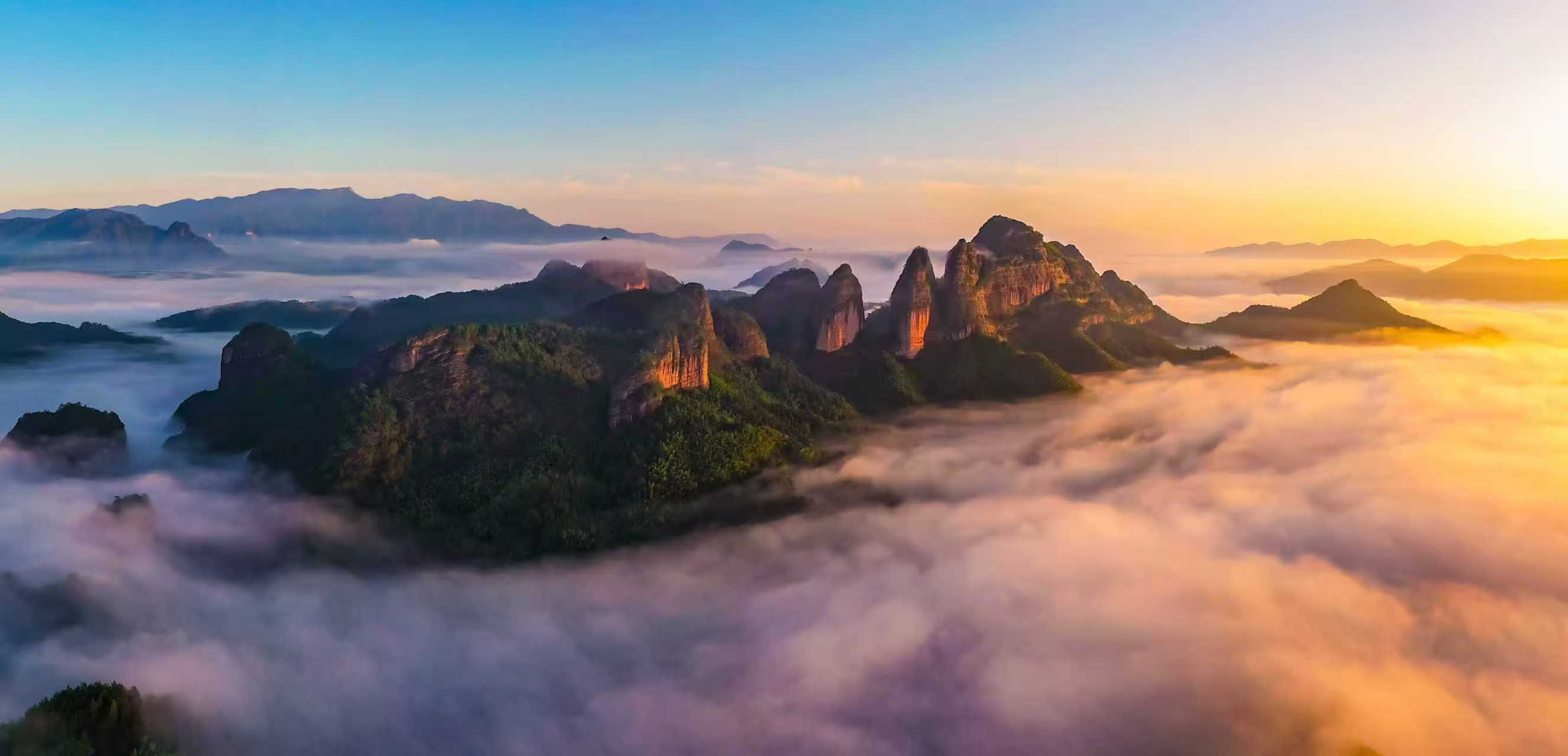
With a history spanning over a thousand years, Taining County is renowned for its rich cultural heritage and thriving tourism industry. It boasts an array of recognizable tourism brands, including a UNESCO Global Geopark, a World Natural Heritage Site, and a National 5A-level Scenic Area.  The natural and cultural wealth of Taining lies in its verdant landscape, ancient heritage, revolutionary traditions, and tourist attractions. In Taining, visitors can appreciate natural wonders of towering mountains, vast lakes, Danxia landform, and criss-crossed valleys, as well as cultural delights such as the ancient town built in the Song (960-1279) and Ming (1368-1644) dynasties, thousand-year-old villages, intangible cultural heritages, and folk beliefs and customs.
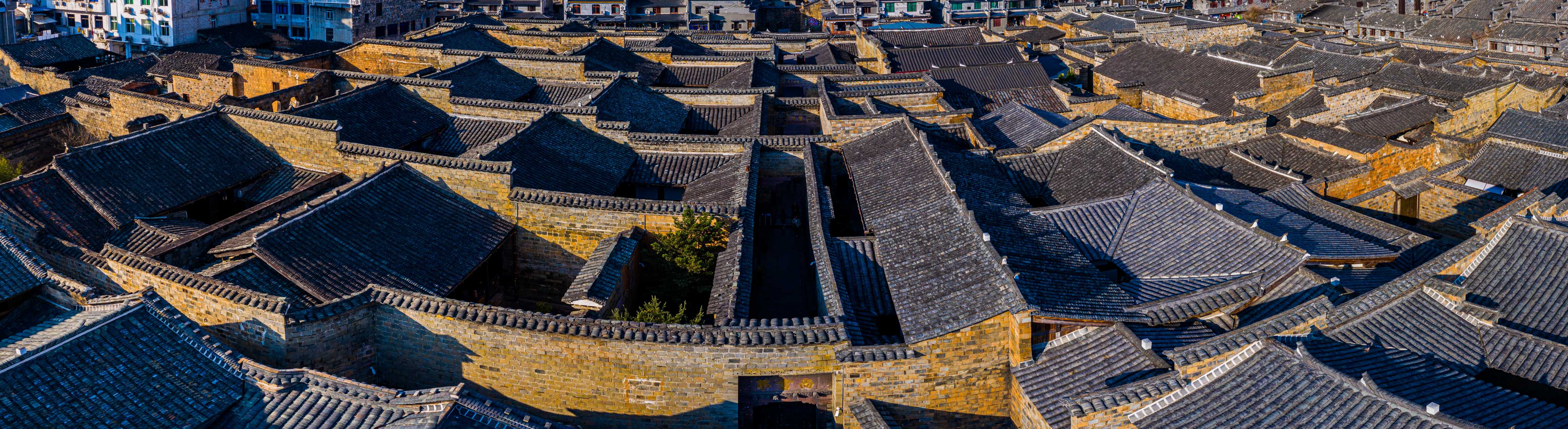
A Millennium-Old County
Taining was established as a county in 958. In 1085, Ye Zuqia, a Zhuangyuan (top scholar in the imperial examination system), petitioned the court to rename the county. The following year, Emperor Zhezong of the Northern Song Dynasty (960-1127) named the county “Taining” after the title of Confucius’s hometown residence, which signifies peace and prosperity. Known as “an ancient town with roots in the Han (202 BCE-220 CE) and Tang (618-907) dynasties” and “a renowned city of the Song Dynasty”, Taining has been a cradle of talent throughout history. It produced two Zhuangyuan, 54 Jinshi (scholars who passed the palace examinations), and 117 Juren (scholars who passed the provincial examinations). Taining was also where renowned historical figures lectured, taught, and composed scholarly works, including Yang Shi, pioneer of the Min School of Thought, Li Gang, a celebrated general who resisted the Jurchen invasion, and Zhu Xi, the great Neo-Confucian master.
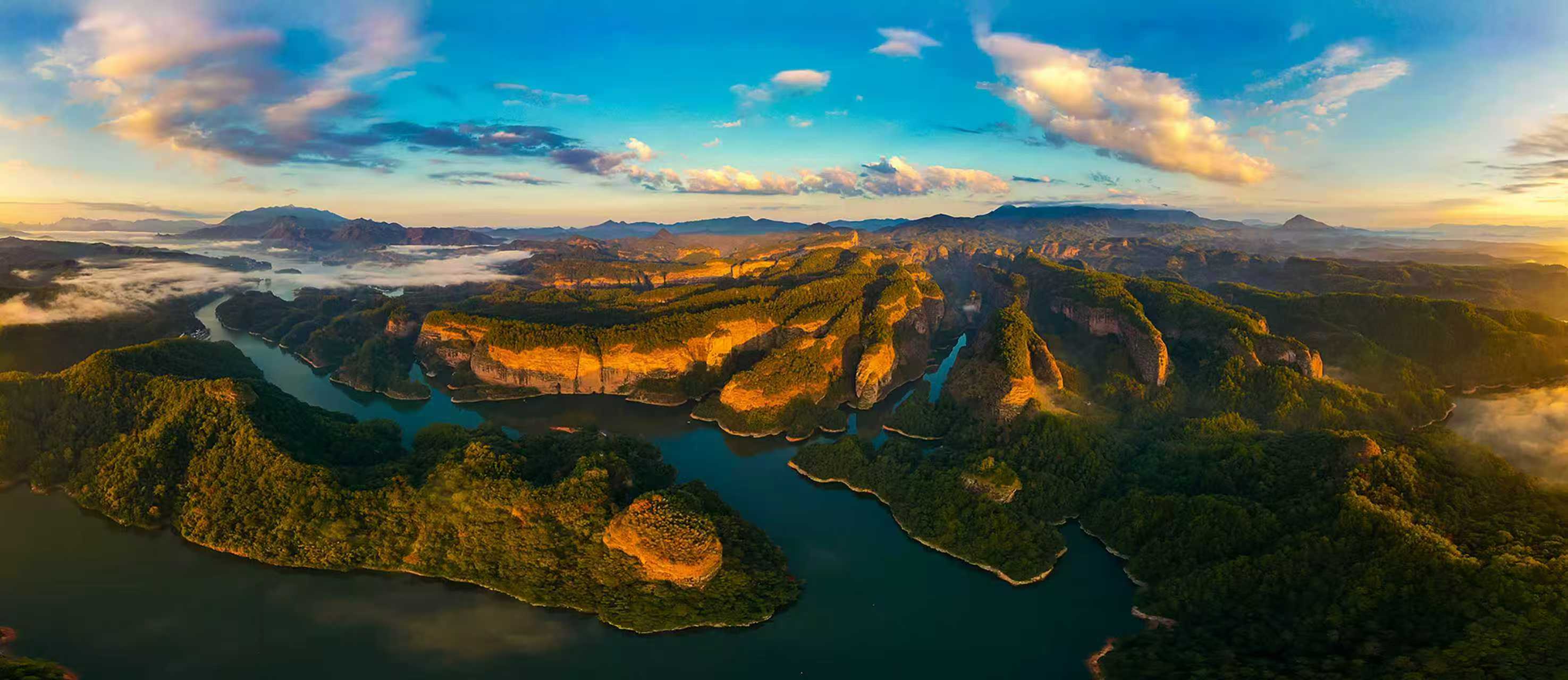
A Blessed Land with a Sound Eco-Environment
Nestled amidst undulating mountains, Taining has had the best air and water quality in Fujian Province for many consecutive years. The areas of ecological conservation red-line in Taining cover 43.83% of its total, the second highest in the province. With a forest coverage of 78.4%, the county is among China’s first batch of national demonstration counties for ecological civilization.
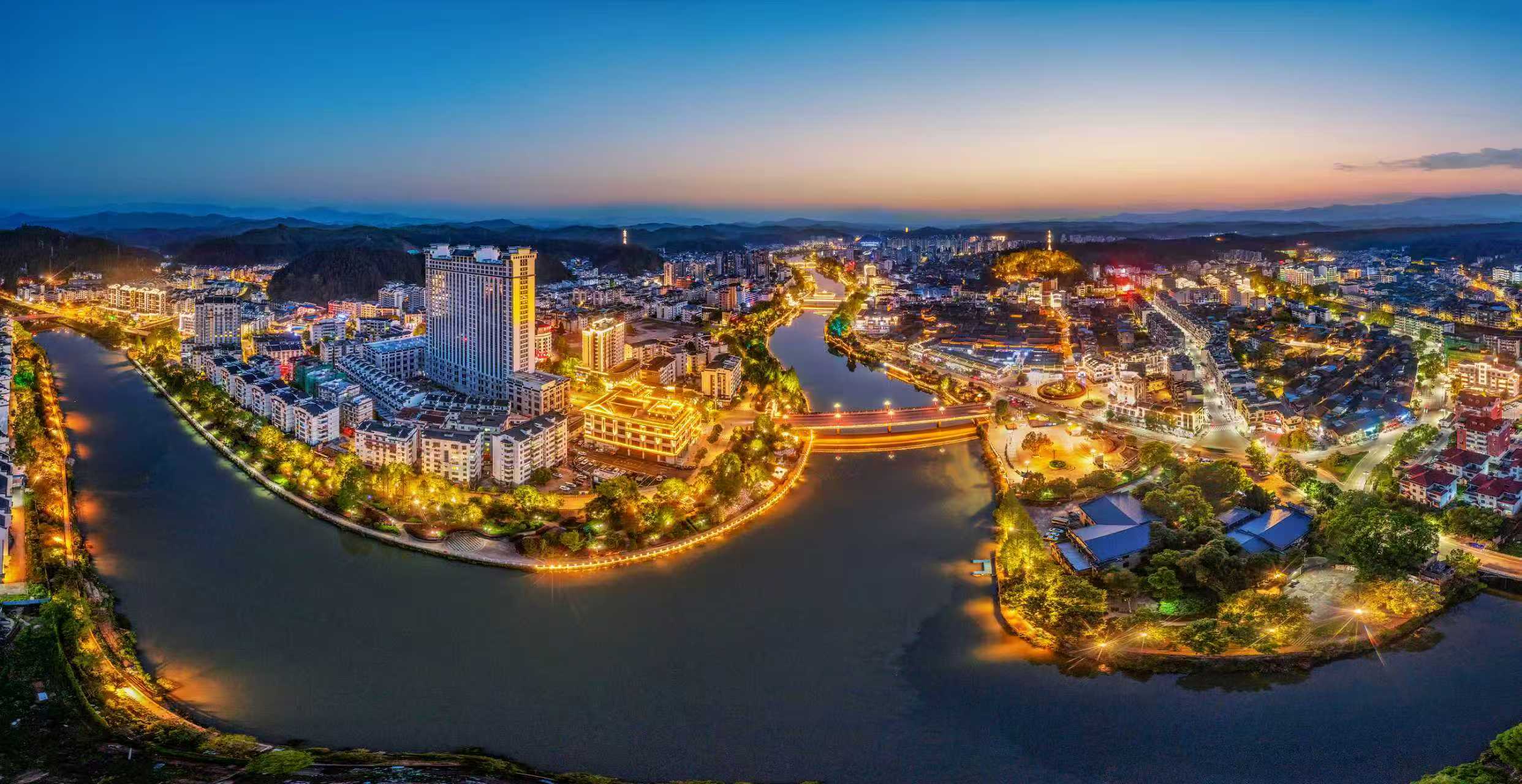
A Tourist Destination
The natural landscape of Taining is 80% hill, 10% water, and 10% arable land. As a prime example of the early-stage Danxia landform, Taining is hailed as “a place where China’s story of Danxia landform begins.” The county boasts a number of world-renowned tourist attractions, such as a World Natural Heritage Site, a UNESCO Global Geopark, and a National 5A-level Scenic Area. It has developed ten major scenic areas, including the Great Golden Lake, Shangqing Stream, and Jiulong Pool, pioneering the fifth nationwide model for county-level tourism development known as the “Taining Path.”
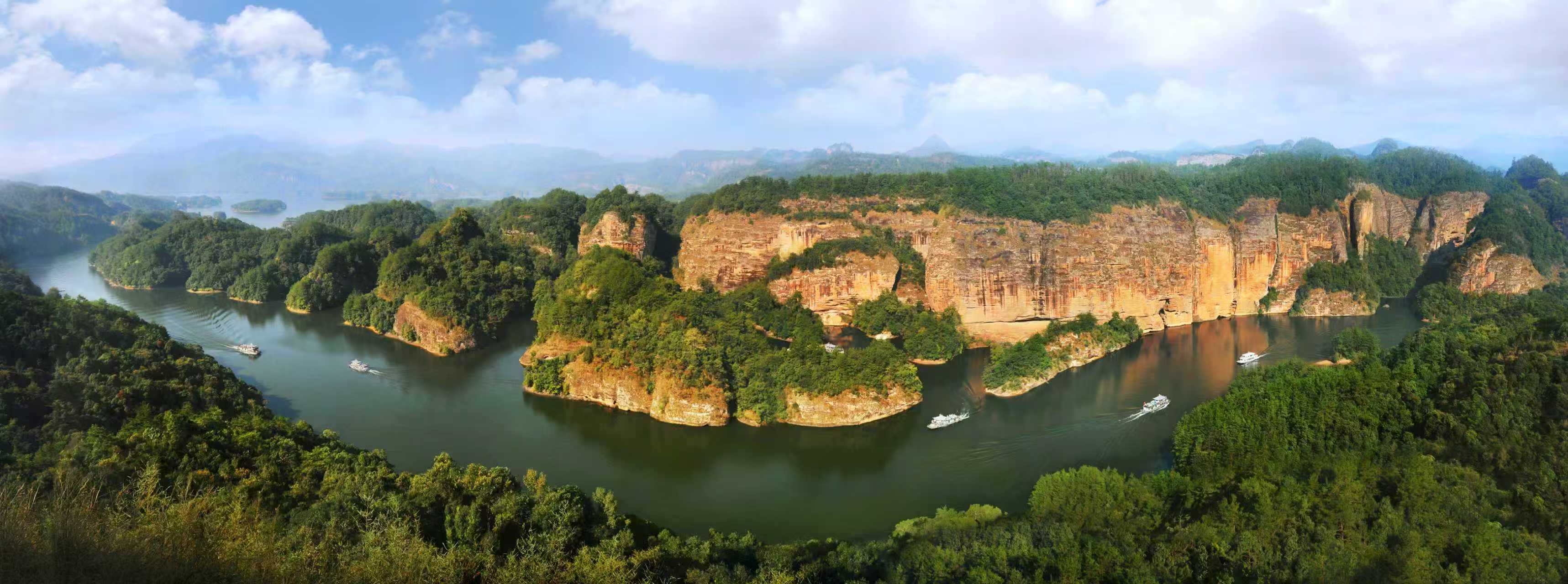
The Great Golden Lake
The Great Golden Lake is the core scenic area of Taining. Amidst its Danxia mountains and lucid waters, majesty and serenity are found in abundance. For miles, red cliffs intertwine with lake water, forming a globally rare landscape. Reputed as a picture-perfect fusion of lake and mountain vistas, it was praised by the renowned Chinese geologist Zhao Xun, who said, “Among the Danxia landforms worldwide, the one in the Great Golden Lake holds a unique place in my heart.”
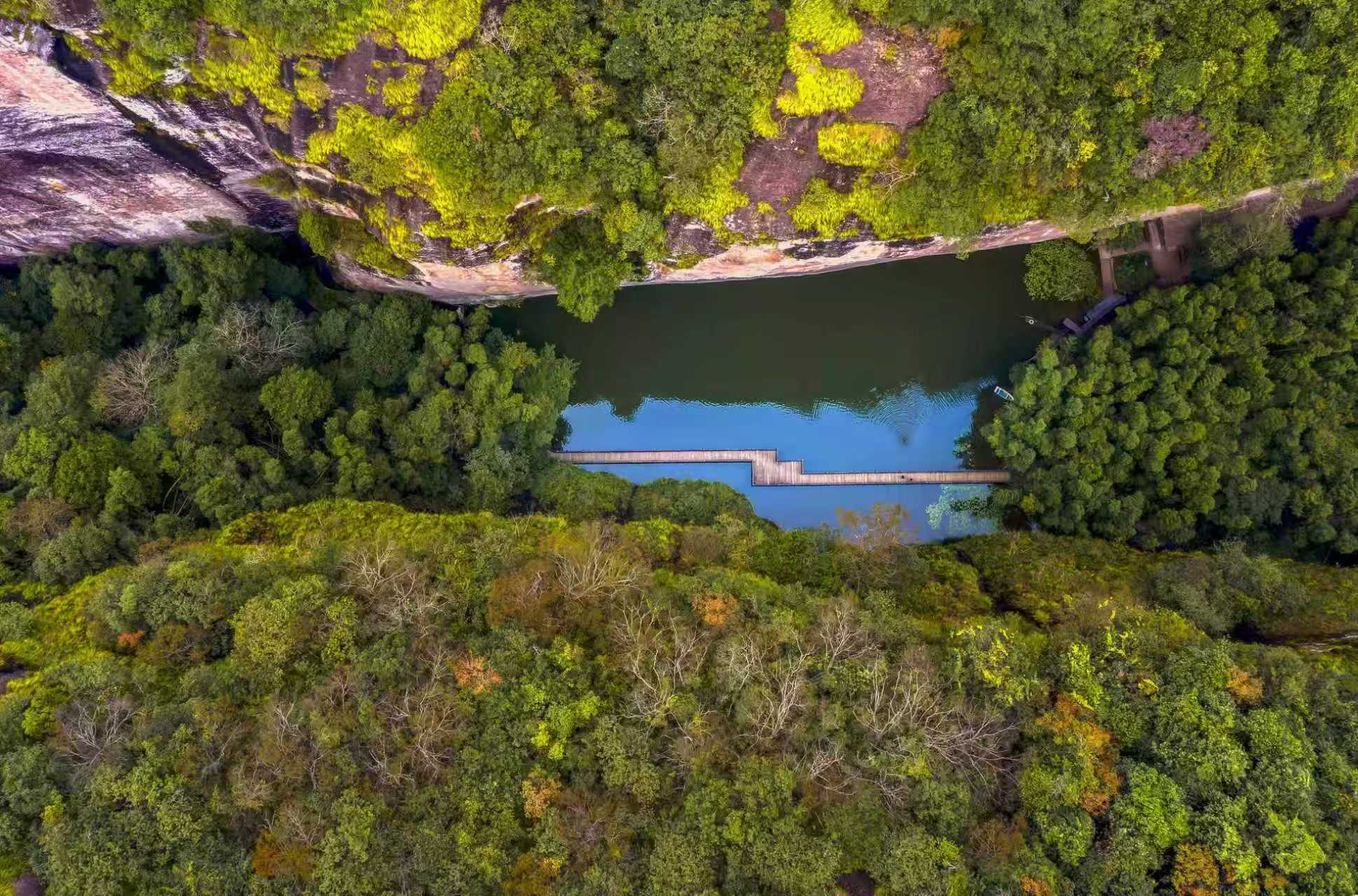
Zhaixia Grand Canyon
Zhaixia Grand Canyon stands as a model scenic area within the Taining Global Geopark. It is not only a kingdom of flora but a natural geological museum. It is an early-stage Danxia canyon landform that formed and evolved against the backdrop of a rift basin dating back approximately 65 million years ago. Three canyons, each with distinct origins, ages, and orientations, join end to end, encompassing the diverse characteristics of Taining’s Danxia geological features. The Grand Canyon is deep, secluded, and stretches for miles, with vibrant Danxia cliffs that create a landscape of astonishing steepness and beauty. Particularly remarkable is its multitudes of Danxia caves—so numerous and uniquely shaped that it is reputed as the “Danxia Cave Museum.” This makes the Grand Canyon a captivating corridor of scientific and cultural significance.
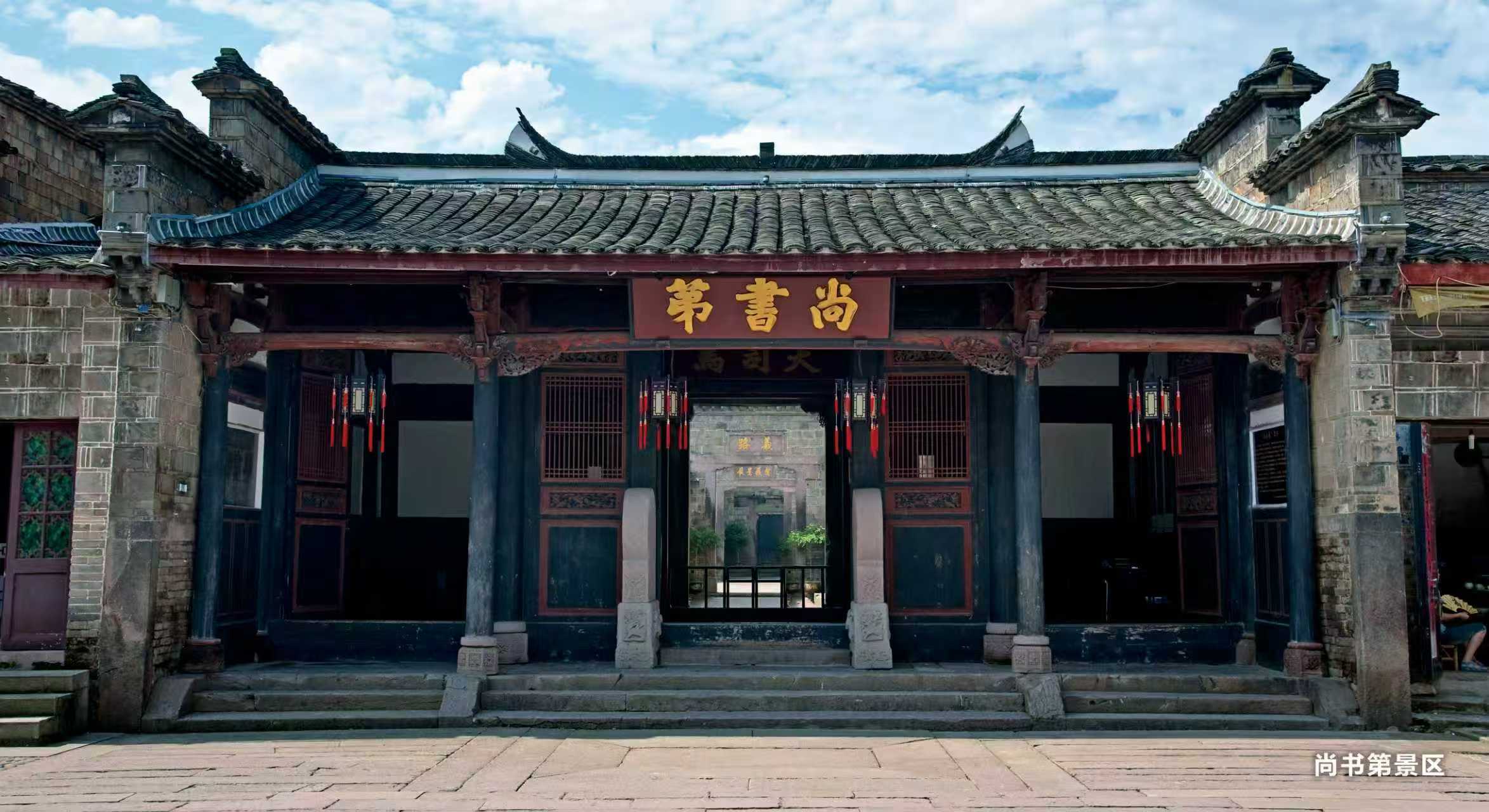
Minister’s Mansion (Shangshu Di)
As mentioned above, Taining County is known as “an ancient town with roots in the Han and Tang dynasties” and “a renowned city of the Song Dynasty”. The Minister’s Mansion and the Hall of Generational Virtue (Shide Tang) in Taining are both National Key Cultural Heritage Sites. The architecture here is particularly distinctive, featuring a neo-Huizhou style with upturned eaves that draws inspiration from the architecture of the Song Dynasty. Visitors can experience a unique night tour in this ancient town by watching Meilin Opera, drinking Lei Cha (a traditional pounded tea), admiring traditional lanterns, and tasting local delicacies.
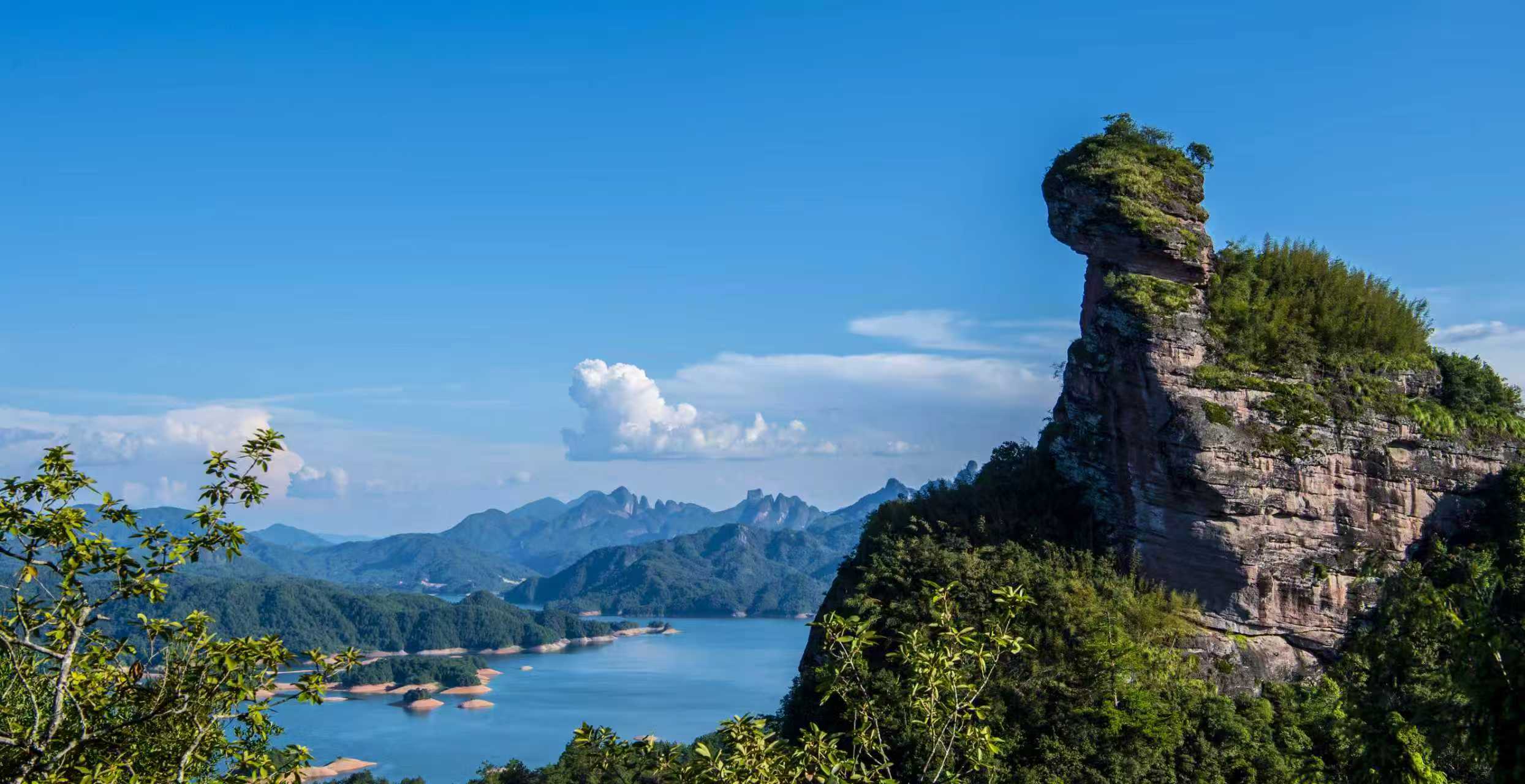
Cat Mountain (Mao’er Mountain)
Cat Mountain is a National Forest Park composed of three magnificent sword-like peaks, with the highest one reaching 516 meters. It boasts exceptional air quality, sweet spring water, and an abundance of negative oxygen ions, thus earning it the title of “Natural Oxygen Bar.” Dotted with historical sites and Danxia cliffs, the area is covered with ancient trees and cascading vines. It is recognized by experts as a “Living Museum of Flora.”
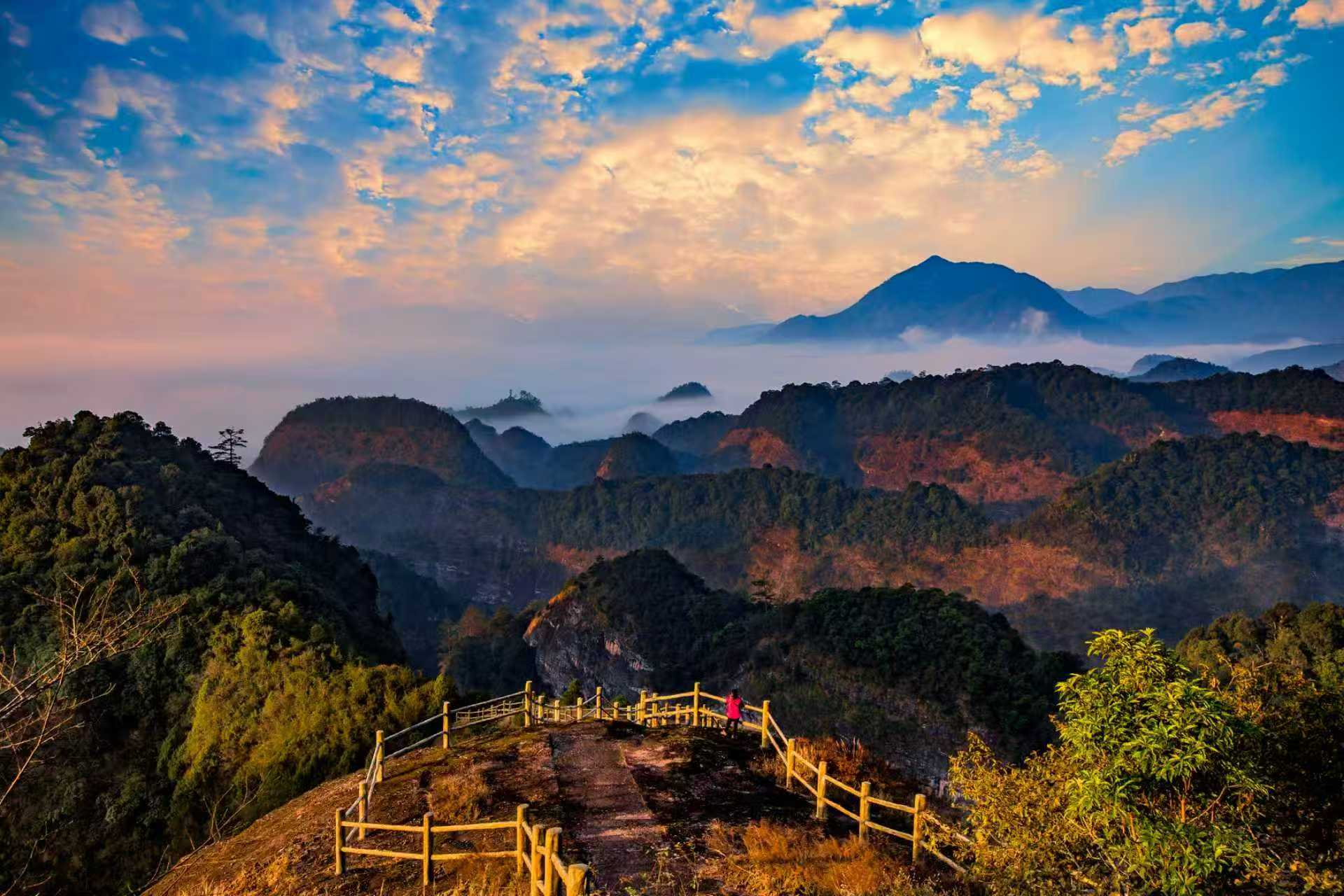
Zhuangyuan Rock Group
Zhuangyuan Rock Group contains over 80 scenic spots. Nestled in lush forests and a serene environment, this scenic area is classified as a pristine secondary forest with a forest coverage rate of over 95 percent. It has been steeped in Confucian culture and Taoist philosophy. Zou Yinglong, a Zhuangyuan scholar of the Southern Song Dynasty (1127-1279), once studied here. Historians therefore honor this place as “a sacred Danxia site which nurtured China’s first Zhuangyuan scholar from a rock cave area.”
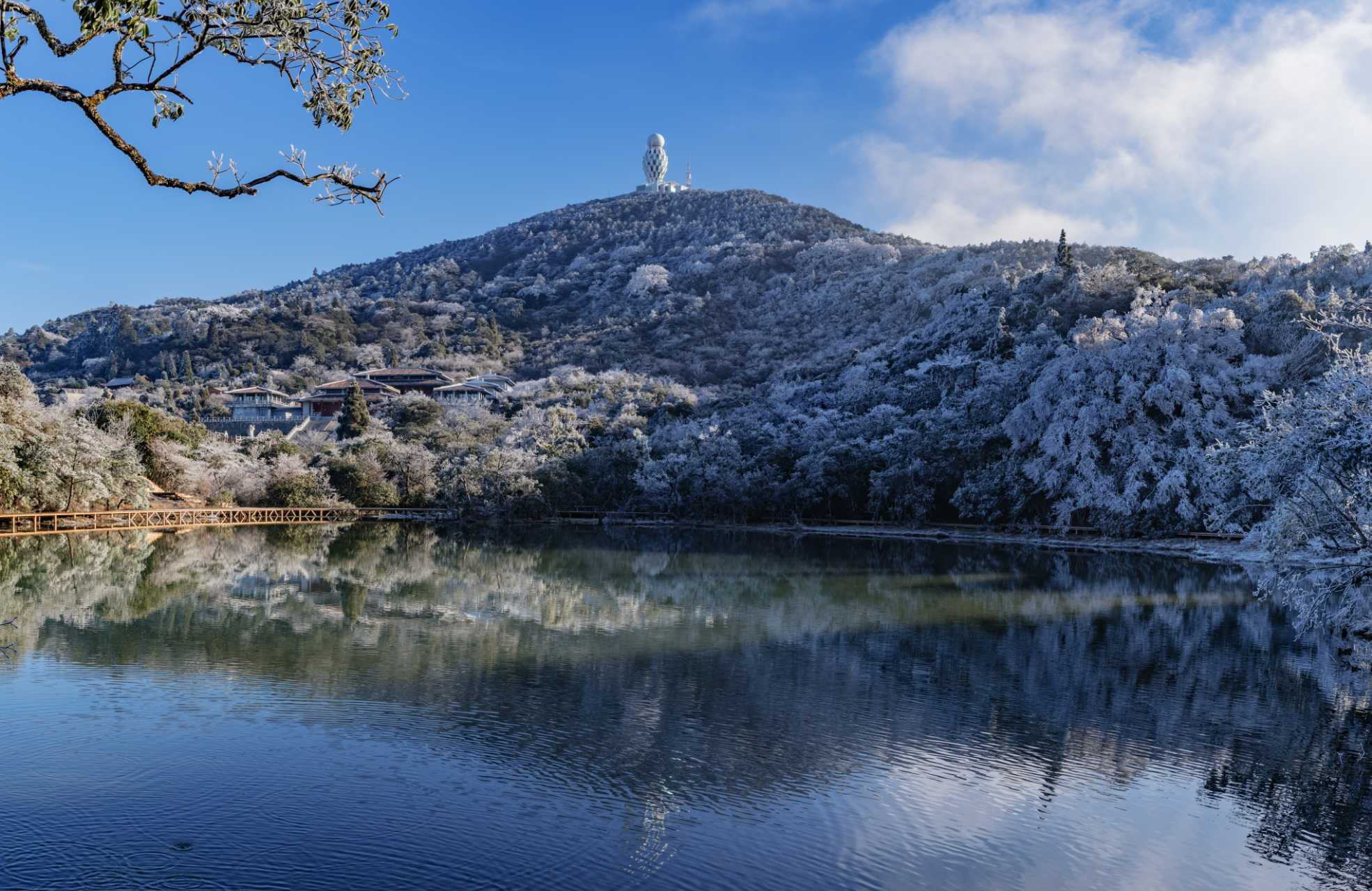
E’mei Peak
E’mei Peak, with an altitude of 1,714 meters, is the second highest peak in Fujian Province. It is renowned for three spectacular sights: pine forest, sea of clouds, and sunrise. It is home to a rich range of flora and fauna, which thrive in the cool, moist microclimates of shaded greenery, cliff faces, and drifting clouds. At the summit stands Qingyun Temple, the ancestral monastery where Taiwan’s first flesh-body Bodhisattva, Master Cihang, was ordained at the age of 18. He passed away in 1954 at the Maitreya Inner Temple in Taiwan.
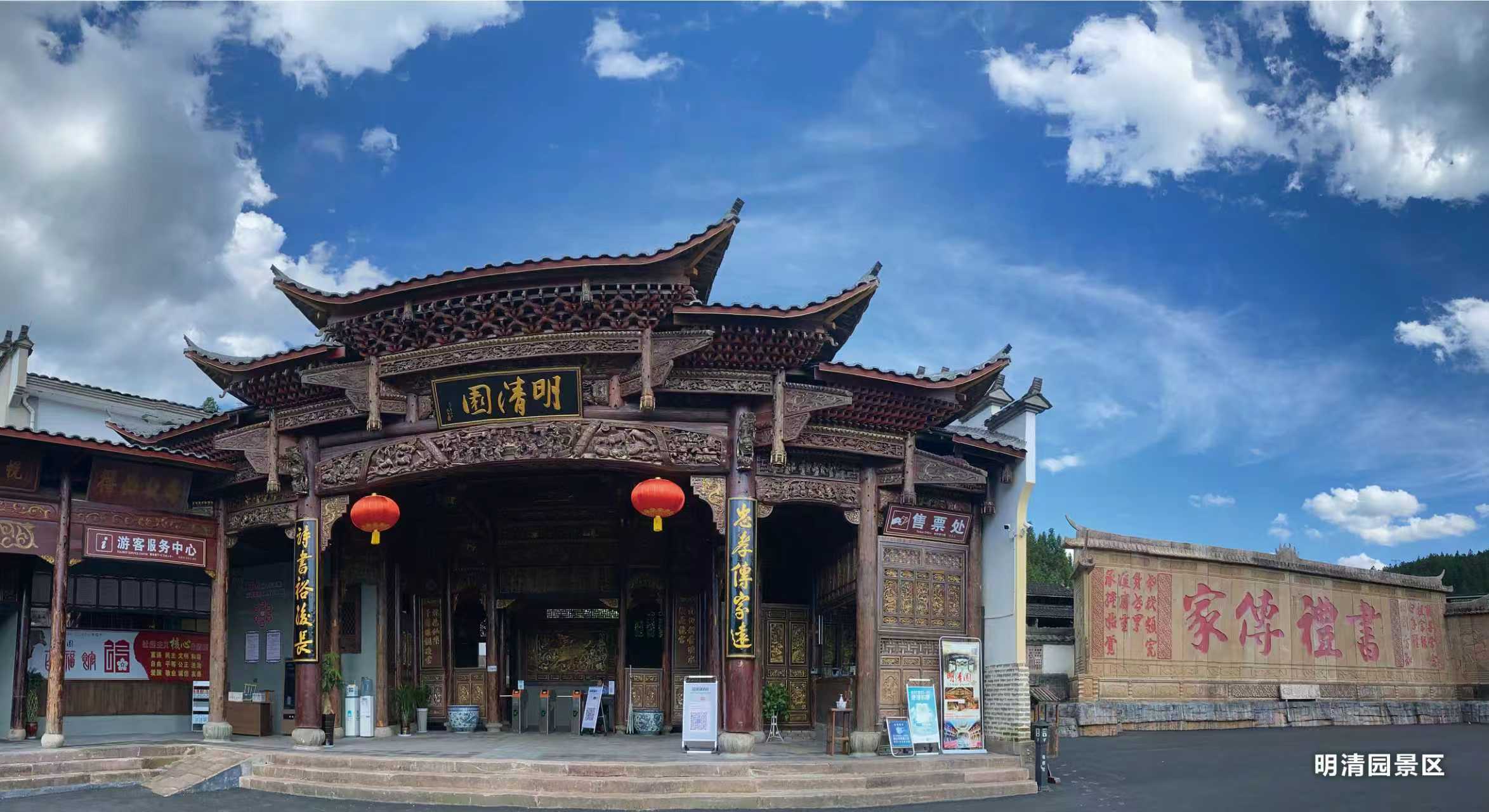
Mingqing Museum
Mingqing Museum is a tourist destination dedicated to preserving the culture of ancient Chinese architecture and wood carving. The museum has been recognized as a key cultural industry project at the municipal, provincial, and national levels. Not only is it Fujian’s first private museum focused on large-scale ancient structures, exquisite wood carvings, and family instruction culture of the Ming and Qing dynasties, but its collections also embody the profound essence of traditional Chinese culture, including Confucianism, filial piety, and classical Chinese studies.
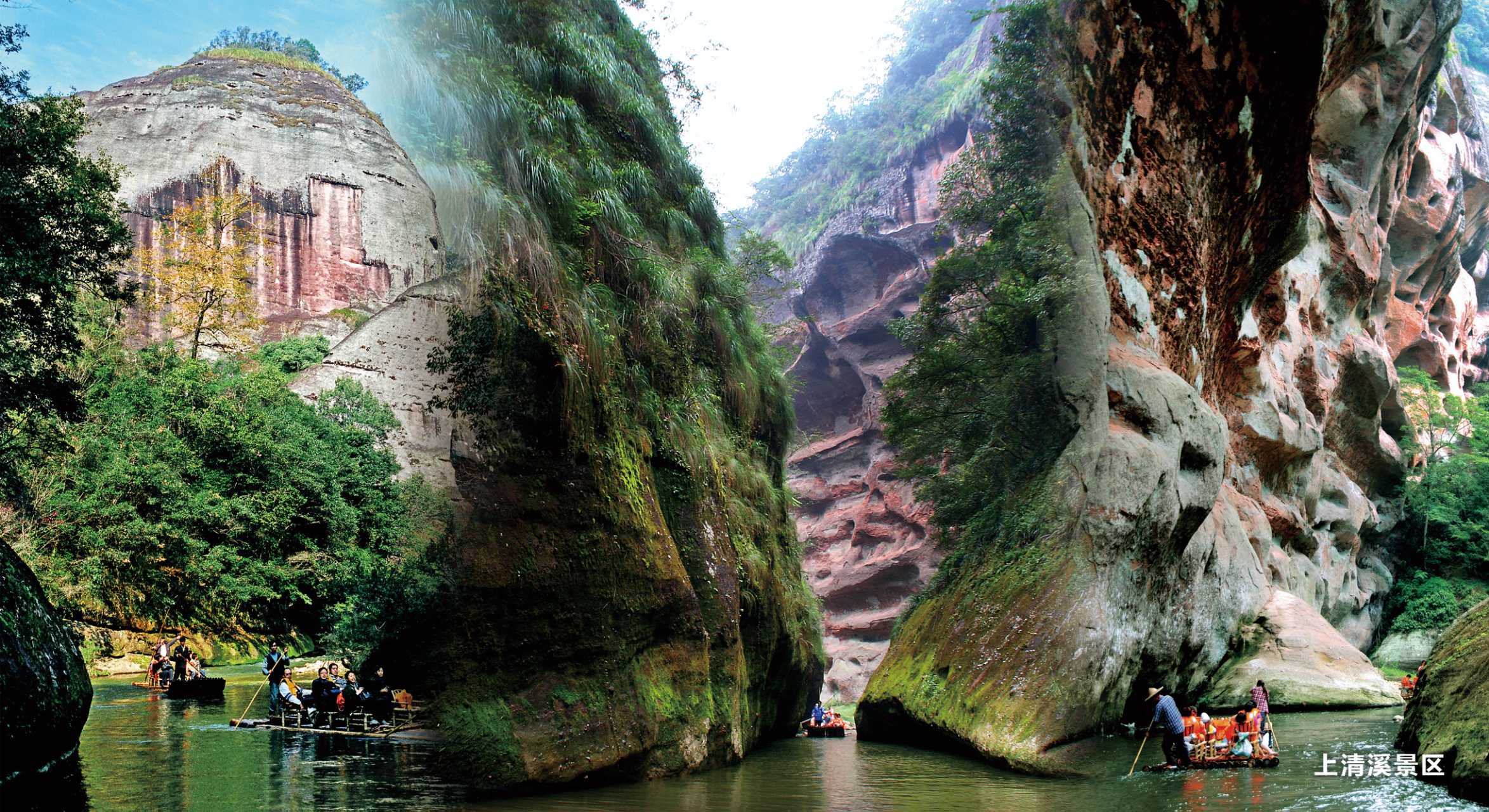
Shangqing Stream
As a pristine water Danxia landform ideal for ecological rafting, Shangqing Stream blends wilderness, serenity, wondrous beauty, and delightful charm into one experience. Here, the towering cliffs seem to humble the sky, while the waters weave through the stones. It is acclaimed as “The Most Beautiful Drift in China.” Ming Dynasty official Chi Xianfang captured its natural splendor in his Travel Notes on Shangqing Stream that “Each turn reveals a new scene like opening another door; each new vista unfolds like a dream; each encounter with beauty feels like unraveling a sealed scroll; and each revisited scene is like meeting an old friend.”
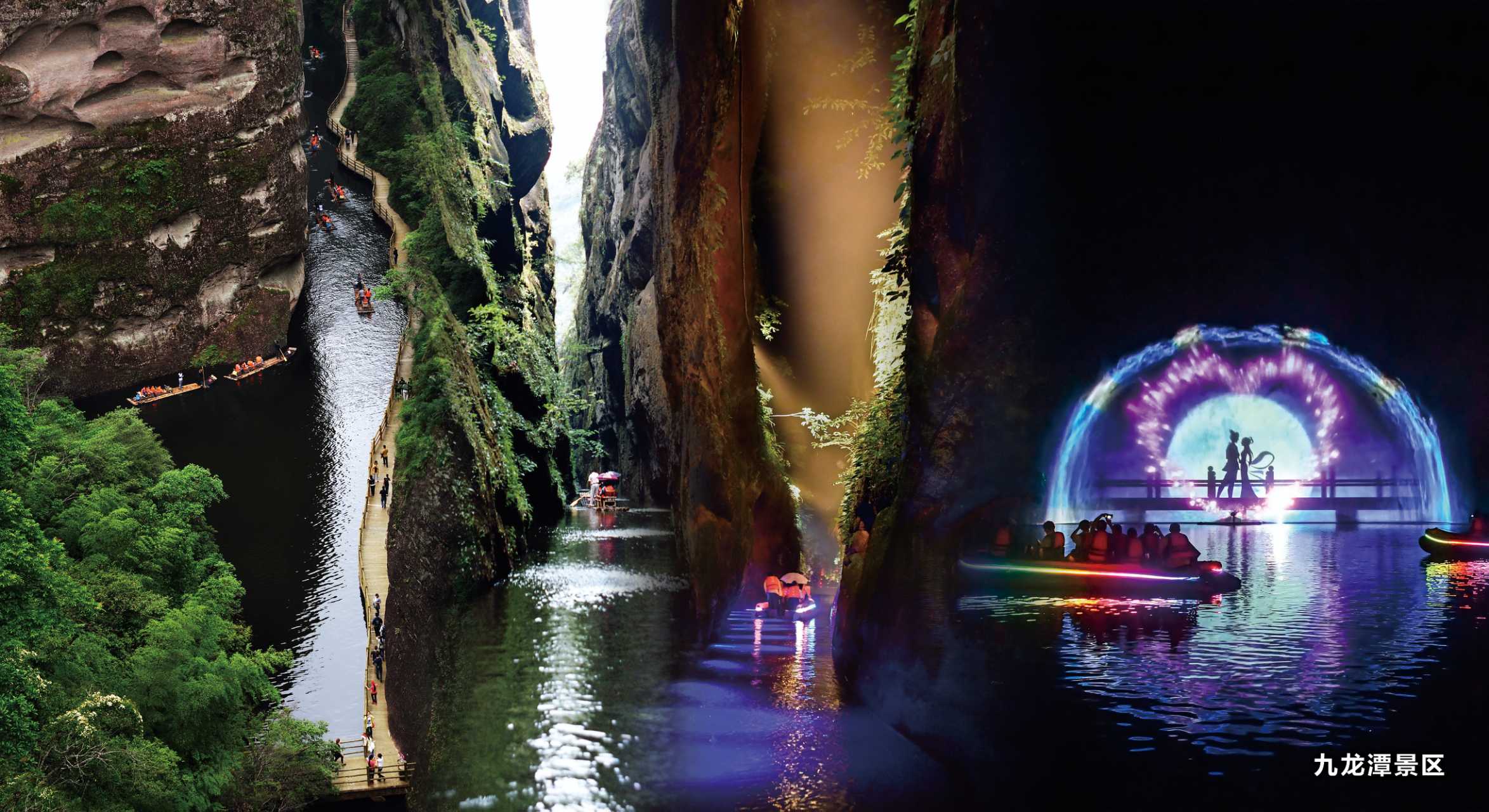
Jiulong Pool
Jiulong Pool, renowned for its numerous spring-fed pools formed by converging spring streams, is nestled within the core zone of the Taining World Natural Heritage Site and Global Geopark. Within a 15-km radius, the Pool boasts abundant water sources, pristine ecology, and a maze of canyons, representing the very essence of Taining’s lakes, streams, mountains, valleys, cliffs, peaks, and ravines. Hailed as “the finest example of water Danxia landform” and “a miniature jewel of Danxia landform,” it offers rich, immersive experience and breathtaking natural beauty. Visitors can explore this wonder through a seamless tour that “spans day and night + water and land.”

Taining UNESCO Global Geopark Museum
Taining UNESCO Global Geopark Museum serves as a comprehensive showcase of Taining’s natural heritage, geological science, and cultural spirits. It is the primary destination for visitors to discover Taining and a model base for public education in geo-science.

Copyright © General Office of Fujian Provincial People's Government
Website Identification Code 3500000049Registration Number: 15003084
All rights reserved. The content (including but not limited to text, photo, multimedia information, etc) published in this site belongs to fujian.gov.cn.
Without written authorization from fujian.gov.cn, such content shall not be republished or used in any form.
